
impact · materials, ecology, knowledge

impact.

The environment is not the backdrop. It is the brief. Here is what our work changes — measured where we can, and honest where we can’t.

our position

We don’t sell sustainability as a finish. We design with sun, water, clay and timber as materials, make in-house so nothing is lost in handover, and publish what we learn — including what didn’t work.

materials.

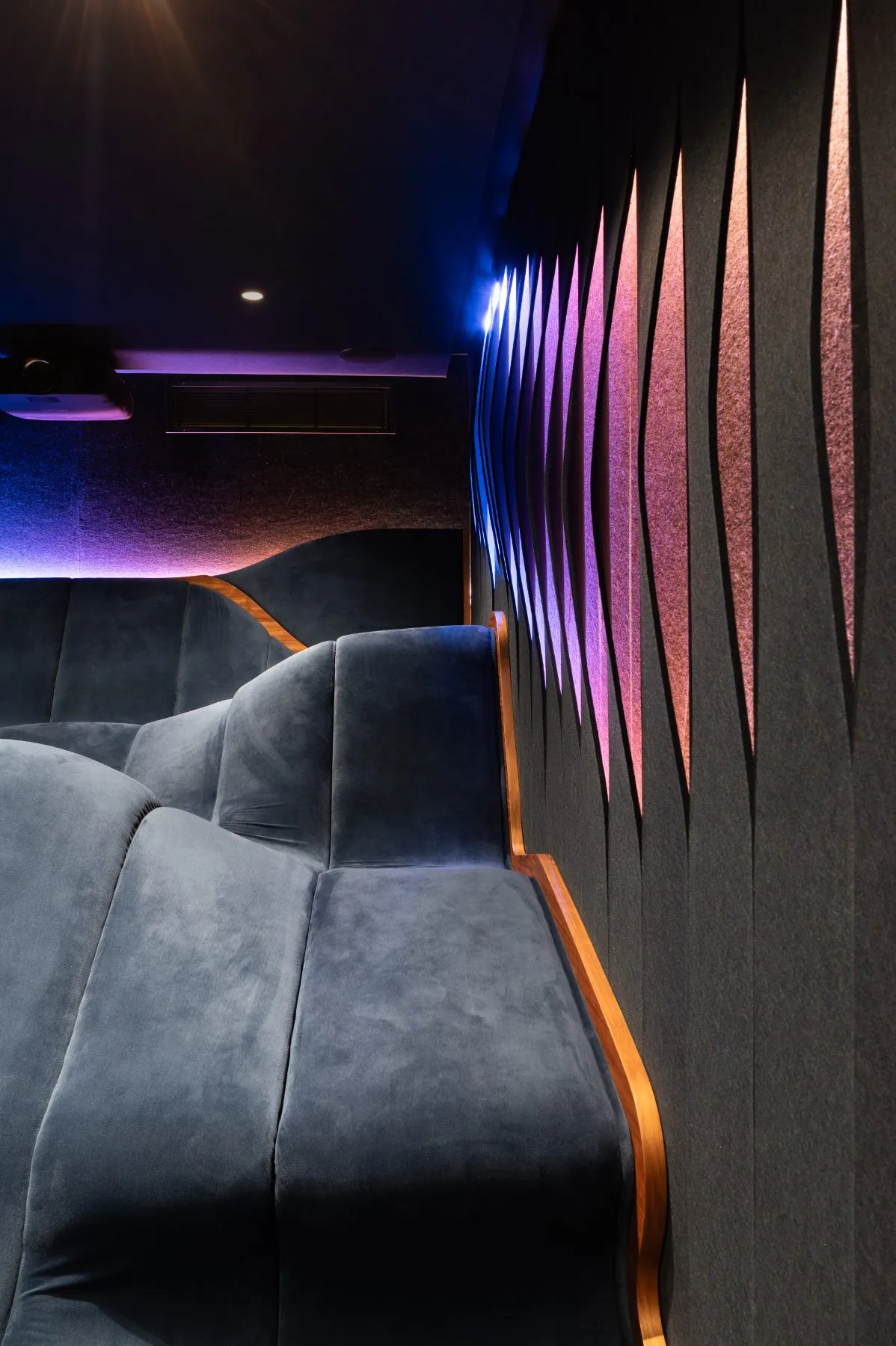
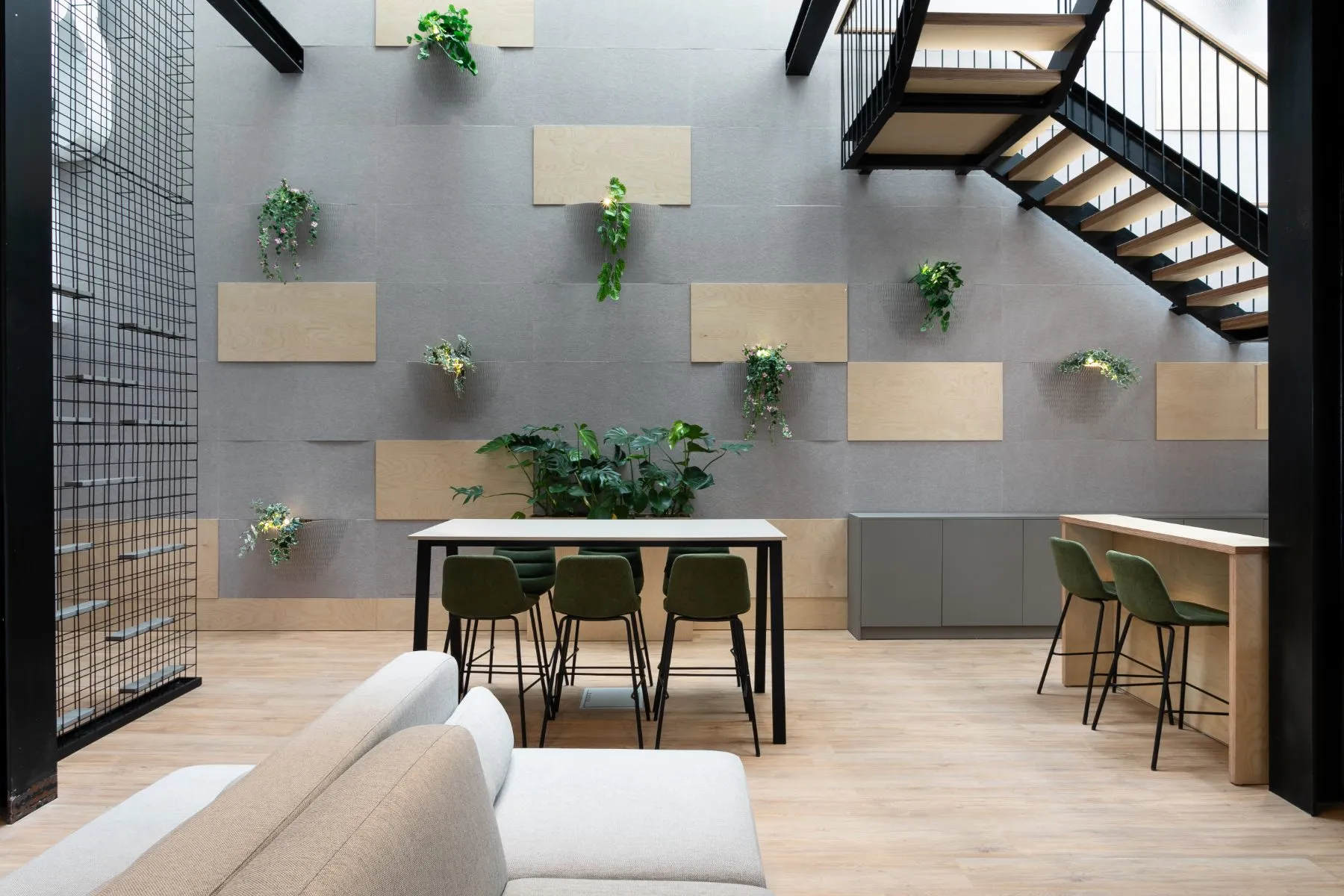
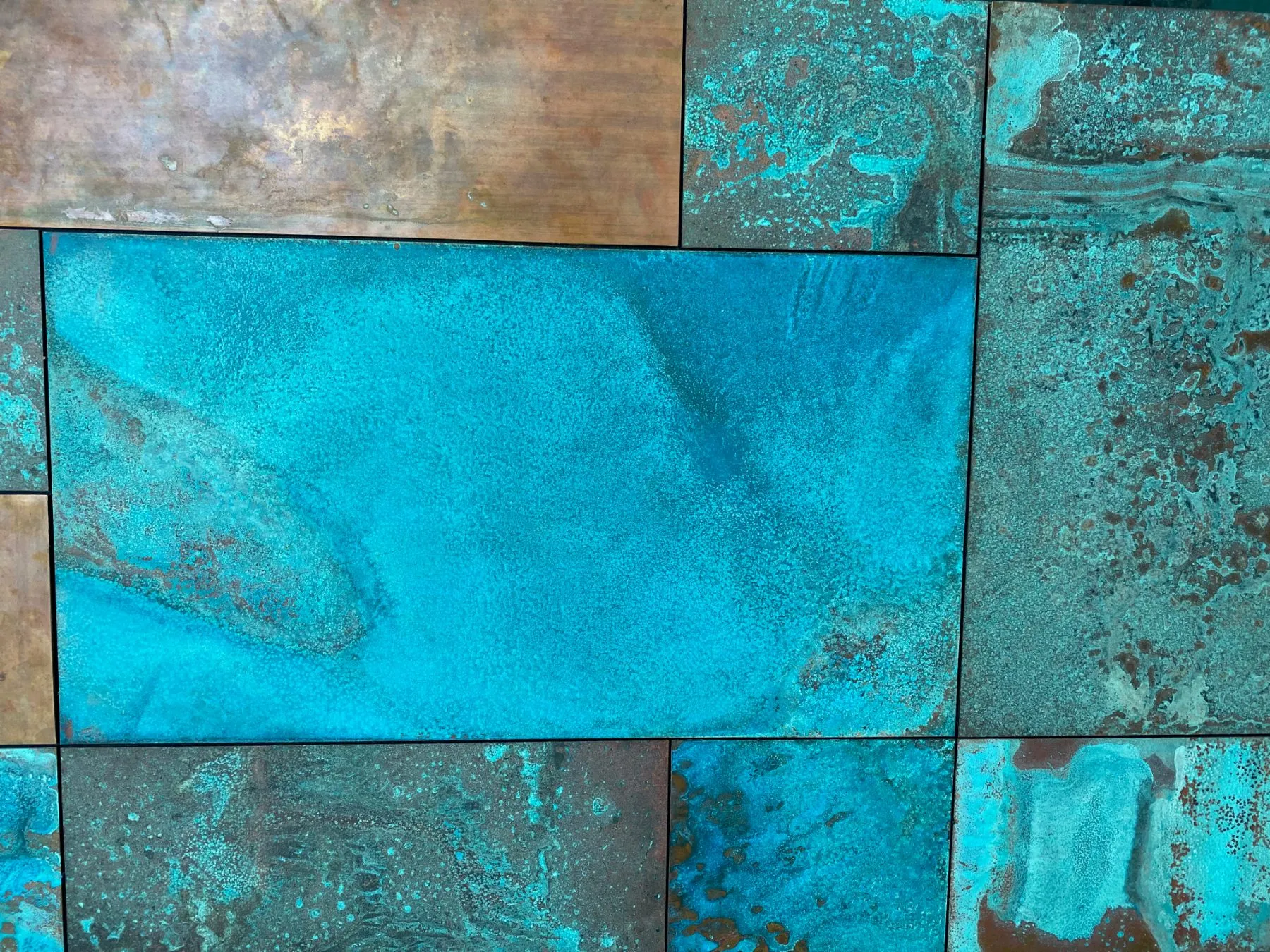
Chosen for what they do, shown for what they are. Made in-house, so offcuts become jigs, samples and the next prototype.

ecology.

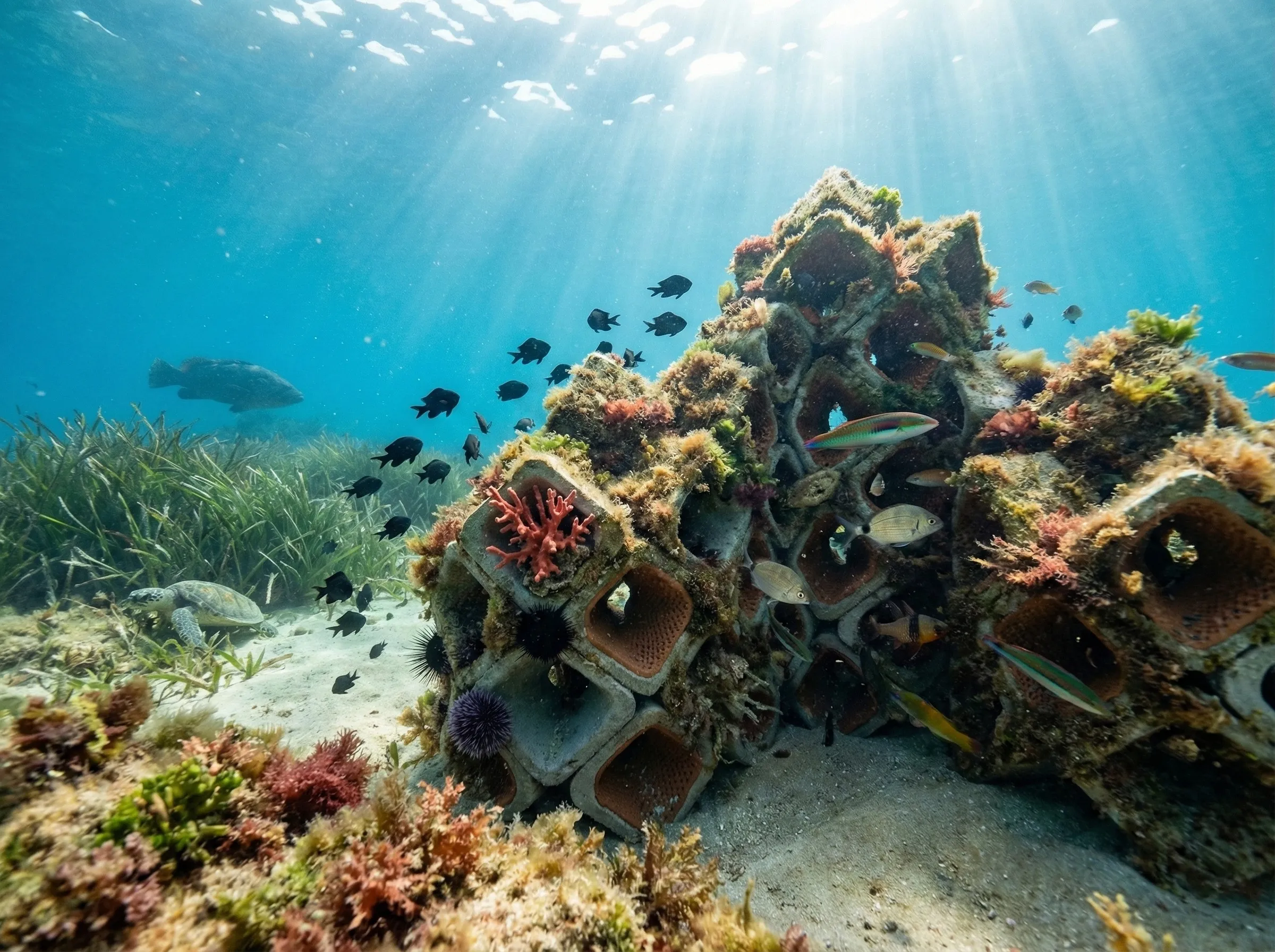
The environment is the brief. We design for light, water and the species that share the site — and we go back to check.

knowledge.

Our instruments are free and our methods are taught. What we learn on one project should help the next — ours or anyone’s.

featured initiative · non-profit

made to make.

How Malta builds tomorrow depends on how we teach the people who will build it. So we start with children, and with making.

Made to Make is our non-profit for kids and adolescents. It gives them real, hands-on time with interiors, architecture, product design and anything else you can make with your hands. It runs on design thinking, on materials, and on finding out what a material knows by making something with it.
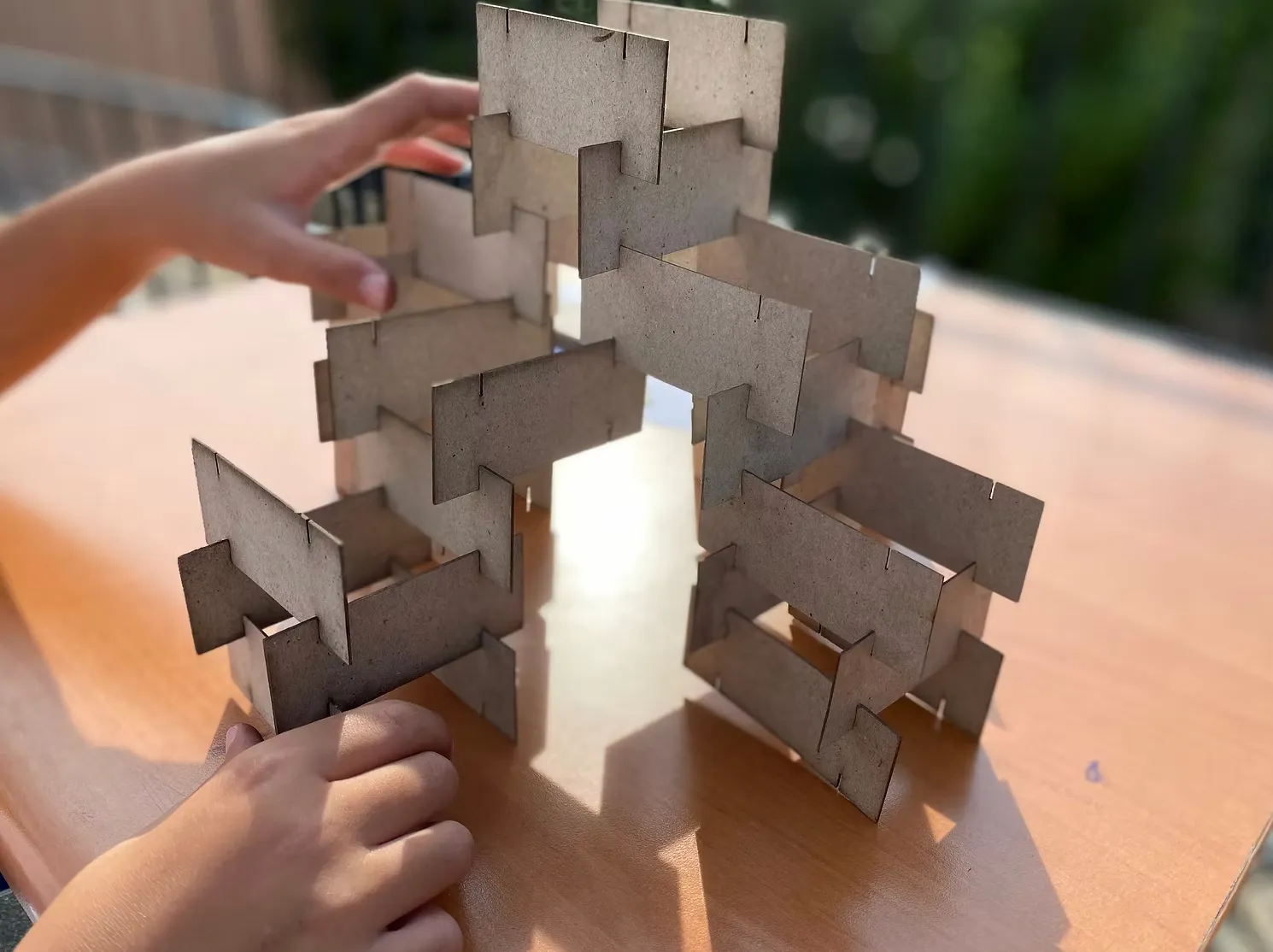
kids & adolescentsdesign thinkinglearning through making
a child assembling a slotted cardboard structure, made to makemade to make · slot-together structures
questions we get asked

in plain words.

What does Matter Make do?
We’re a small architectural design and fabrication studio in Burmarrad, Malta. We design architecture, interiors, custom joinery, installations and digital tools, and build them in our own 900 sqm factory.
Do you design and build?
Yes. Design and fabrication happen under one roof — CNC, a 6-axis robot, a laser cutter, a clay printer, a steam box and a timber workshop — so the team that draws a project also makes and installs it.
What do you mean by regional tectonics?
Starting from the place itself: ground, climate, water, ecology, materials and supply, what can be made locally, infrastructure, planning, how people really use things, and how it will be looked after. Ten lenses we carry into every project. It isn’t a checklist for sustainable credentials; it’s a way of staying honest about the system a building belongs to. read the essay →
How do you measure impact?
Where we can, directly: material sources, reuse, and field tests like Sikka’s clay, checked on the seabed after a month and after a year. Where we can’t, we say so. We don’t claim perfect predictive certainty.
Do you work outside Malta?
Our studio and factory are in Malta, with an international team. Ask us about your project and location.